
How To Create A Successful Marketing Campaign
Define your target audience:
The first step in any successful marketing campaign is to identify and understand your target audience. By doing this, you can tailor your message and tactics to resonate with their specific needs and preferences.
Here are the basic steps: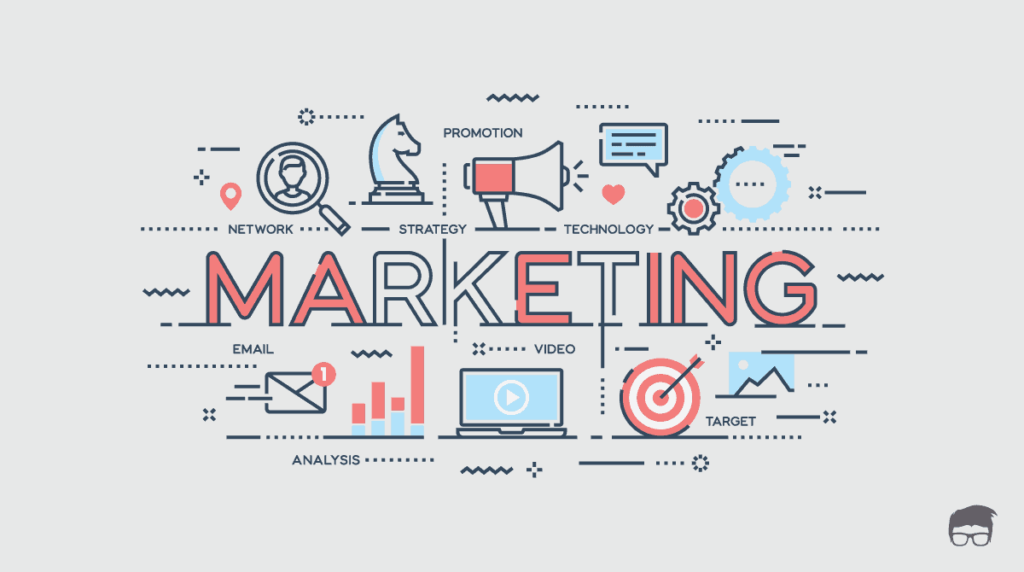
-
- Conduct market research: Conducting market research can help you better understand your target audience, including their demographics, behaviors, and preferences. You can use surveys, focus groups, and other research methods to gather this information.
- Analyze your existing customer base: Look at your existing customer base to identify common characteristics such as age, gender, income level, and geographic location. This information can help you create a buyer persona that represents your ideal customer.
- Use social media analytics: Social media platforms provide valuable analytics data that can help you understand your audience’s interests, behaviors, and demographics. Use this data to inform your marketing strategy and target your campaigns more effectively.
- Analyze your competitors: Analyzing your competitors can provide valuable insights into their target audience and help you identify gaps in the market that you can target with your own marketing campaigns. This is an important part of developing a successful marketing campaign. Here are some steps you can take to effectively analyze your competitors:
- Identify your competitors: Make a list of your top competitors, including both direct and indirect competitors. Direct competitors offer similar products or services to your own, while indirect competitors may offer similar solutions to the same problem.
- Research their marketing strategies: Analyze your competitors’ marketing strategies to determine what tactics they are using to reach their target audience. Look at their website, social media accounts, advertising, and other marketing channels to get a sense of their messaging, branding, and tone.
- Evaluate their strengths and weaknesses: Analyze your competitors’ strengths and weaknesses to identify areas where you can differentiate your own product or service. Look at their pricing, customer service, product quality, and marketing tactics to get a sense of what they do well and where they fall short.
- Assess their online presence: Analyze your competitors’ online presence to determine how they are using their website, social media, and other digital channels to engage with their audience. Look at their website’s user experience, the frequency and quality of their social media content, and their search engine optimization (SEO) strategies.
- By conducting a thorough analysis of your competitors, you can gain valuable insights into their marketing strategies and identify areas where you can differentiate your own product or service. This can help you develop a more effective marketing campaign and drive business growth.
- Gather customer feedback: Look for customer reviews, comments, and feedback on your competitors’ products or services. This can help you identify areas where they are succeeding or falling short in meeting customer needs.
- Test and refine your audience targeting: As you launch marketing campaigns, track their performance and refine your audience targeting as needed. Use data and analytics to identify which audiences are most engaged with your content and adjust your targeting accordingly.
- By following these key elements, you can create a successful marketing campaign that Sets clear goals: It’s important to set specific, measurable goals for your campaign. This will help you stay focused and track your progress along the way. Examples of goals might include increasing sales, generating leads, or improving brand awareness.
- Develop a compelling message: Your message should be clear, concise, and engaging. It should also align with your brand’s values and resonate with your target audience. Use language and visuals that are memorable and attention-grabbing.
- Choose the right channels: Determine which marketing channels will be most effective for reaching your target audience. This might include social media, email marketing, paid advertising, or content marketing. Be sure to tailor your message and tactics to each specific channel.
- Measure your results: Track your campaign’s performance to determine what’s working and what’s not. Use data and analytics to make informed decisions and adjust your tactics as needed.
- Stay flexible and adaptable: The marketing landscape is constantly evolving, so it’s important to stay agile and adaptable. Be open to trying new tactics and adjusting your approach based on what you learn along the way.

Tools to reach your potential customers.
-
- Social Media: Social media platforms such as Facebook, Twitter, LinkedIn, and Instagram can be used to reach potential customers by creating and sharing content that resonates with their interests, preferences, and needs. Social media advertising is also an effective way to target specific demographics and interests.
- Email Marketing: Email marketing can be used to reach potential customers by sending them targeted, personalized emails that promote your products or services. This is a cost-effective way to communicate with your audience and build relationships over time.
- Content Marketing: Content marketing involves creating valuable, informative content that is designed to educate and engage potential customers. This can include blog posts, videos, infographics, and more. Content marketing can help attract and retain customers by providing them with helpful information and positioning your brand as a thought leader in your industry.
- Pay-Per-Click Advertising: Pay-per-click (PPC) advertising involves placing ads on search engines, social media, or other websites and paying only when someone clicks on your ad. This is an effective way to reach potential customers who are actively searching for products or services like yours.
- Influencer Marketing: Influencer marketing involves partnering with social media influencers who have a large following in your target market. This can help you reach potential customers who may be more likely to trust recommendations from people they follow and admire.
By using these tools, you can effectively reach your potential customers and drive business growth. However, it’s important to tailor your approach based on your specific goals, target audience, and budget.
The best goals in evaluating your progress.
-
- Increase in Sales: One of the most straightforward ways to measure the success of a marketing campaign is to track the increase in sales generated by the campaign. This can be measured in terms of revenue generated, the number of new customers acquired, or the average order value.
- Lead Generation: Another goal of marketing campaigns is to generate leads, which can be measured in terms of the number of new leads generated or the conversion rate of leads into sales. This can be achieved through email marketing, social media advertising, or other lead generation tactics.
- Website Traffic: Measuring the amount of traffic to your website is another way to evaluate the success of your marketing campaign. This can be measured by the number of unique visitors, the time spent on the website, and the pages viewed per session.
- Brand Awareness: Building brand awareness is a critical goal for many businesses, especially those in the early stages of growth. This can be measured through metrics such as social media engagement, website traffic, and brand mentions.
- Customer Engagement: Building customer engagement is another important goal for marketing campaigns, as engaged customers are more likely to become repeat customers and advocates for your brand. This can be measured through social media engagement, email open and click-through rates, and website comments and shares.
Cost-Effectiveness: It’s also important to evaluate the cost-effectiveness of your marketing campaigns, particularly if you have a limited budget. This can be measured by the return on investment (ROI) of your campaigns or the cost per lead or customer acquisition.
By setting clear goals and measuring your progress against them, you can determine the effectiveness of your marketing campaigns and make data-driven decisions to improve their performance over time.